CLM Software for Post-Signature Intelligence
The era of the ‘Digital Filing Cabinet’ is over. If your CLM software waits for you to search for a problem, it is already too late. Brooklyn replaces the passive repositories of the past with an active Intelligence Layer. Unlike generic tools that consider the job done at the signature, our contract lifecycle management platform is engineered to police the lifecycle, auditing performance, flagging risks, and ensuring that the operational reality matches the contractual promise. Don’t just store your data; operationalise it.
Why Traditional CLM Tools Fail the Enterprise
Most CLM software is built for Legal (Drafting), not for Business (Managing). Once you sign, those tools become nothing more than expensive cloud storage.
-
The “Repository Trap”: Your current software hides data in unsearchable PDFs.
-
No Active Monitoring: Traditional tools wait for you to search; they don’t alert you to risks.
-
The Integration Gap: They fail to connect legal promises with finance realities (Invoices vs. Rate Cards).
Brooklyn Solutions is different. We are the “System of Intelligence” that sits after your e-signature tool to manage the lifecycle that matters: The Performance Lifecycle.

Post-Signature: Oversight, Fulfilment, and Renewal
Once a contract is executed, the risks change dramatically. The contract becomes operational, triggering obligations, compliance requirements, and renewal timelines. Unfortunately, many organisations lose visibility at this point, especially when contracts are stored as unstructured PDFs or buried in shared drives.
Post-signature CLM focuses on actively managing:
-
Contractual obligations and milestones
-
Regulatory and policy compliance
-
Contract variations and amendments
-
Strategic and tactical renewals
-
Evidence for audit, assurance, and reporting
This phase requires more than storage, it requires structured oversight and governance. Without a framework in place, contracts become silent risks: auto-renewing, unmanaged, or non-compliant.

Brooklyn’s Post-Signature Capability
Brooklyn supports contract lifecycle management by focusing on what happens after contracts are signed, when obligations, compliance requirements, and operational risk begin to materialise.
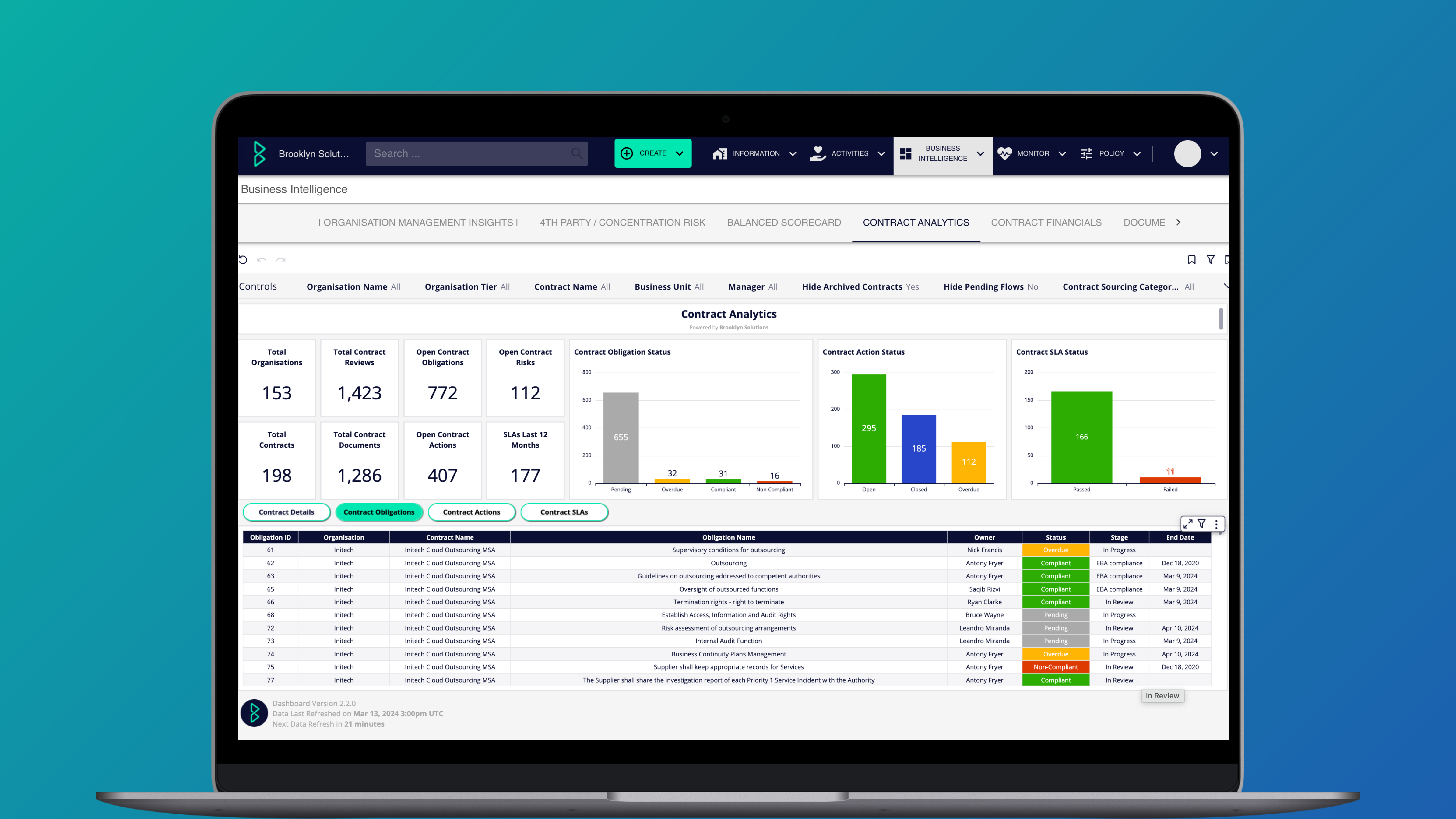
Executed contracts are centralised and enriched with structured data so key dates, obligations, and commitments remain visible throughout the contract’s operational life. This enables organisations to move away from reactive contract management and towards continuous, governed oversight.
Brooklyn applies structure and consistency to post-signature contract management. Amendments, variations, and renewals are handled through controlled workflows rather than informal processes, ensuring changes are reviewed, approved, and auditable. This reduces reliance on individual knowledge and improves consistency across teams.
How Brooklyn Enables GRC Through Contracts
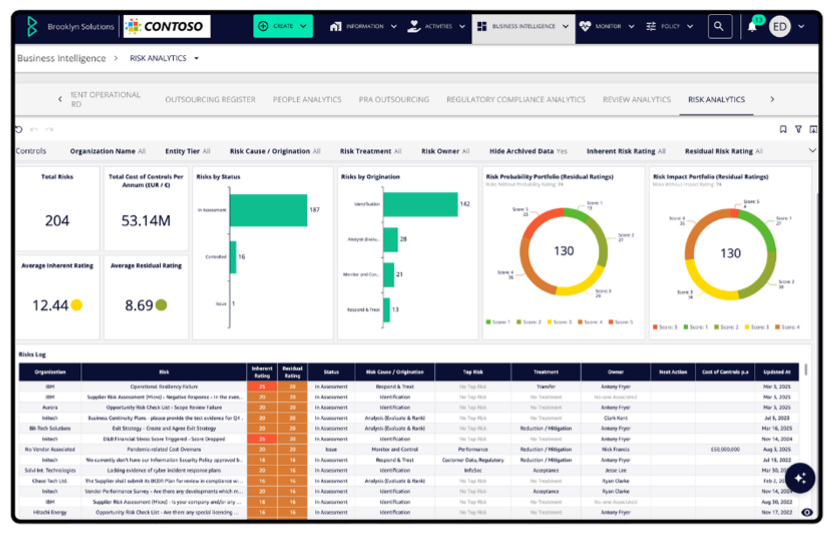
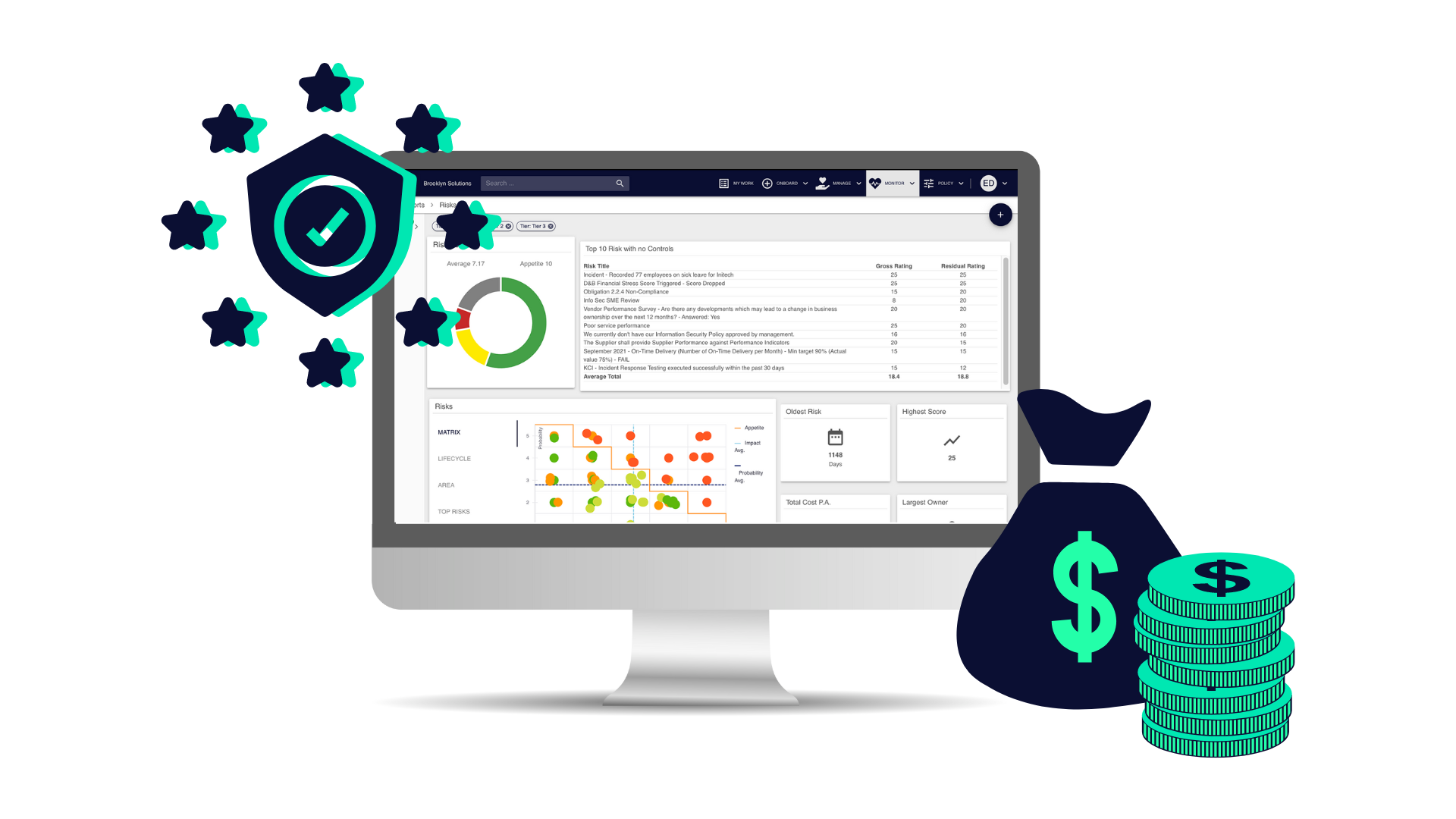
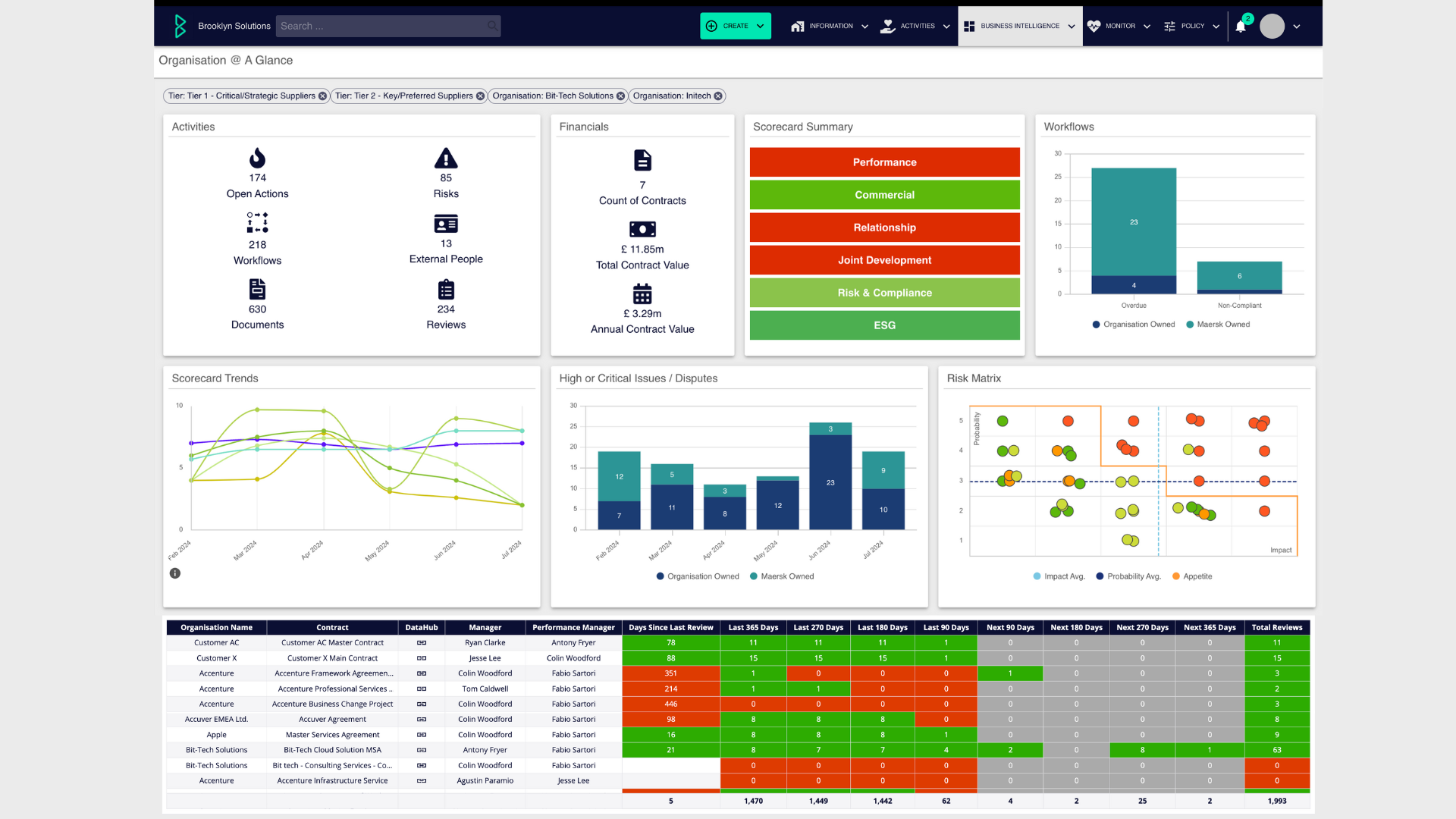
A defining aspect of Brooklyn’s CLM capability is its integration with governance, risk, and supplier management. Contracts are not managed in isolation, but linked to the suppliers they govern, the risks they introduce, and the compliance requirements they support.
This integrated approach provides organisations with a clearer, more defensible view of contractual exposure across their third-party and regulatory landscape. Rather than treating contracts as static records, Brooklyn enables them to function as active controls within broader governance frameworks.
Brooklyn’s post-signature CLM platform capability is designed for organisations where assurance matters, particularly in regulated environments. By providing traceability, audit-ready evidence, and ongoing oversight, Brooklyn helps ensure contracts remain compliant, controlled, and aligned with governance expectations throughout their lifecycle.
How CLM Software Improves Control and Visibility
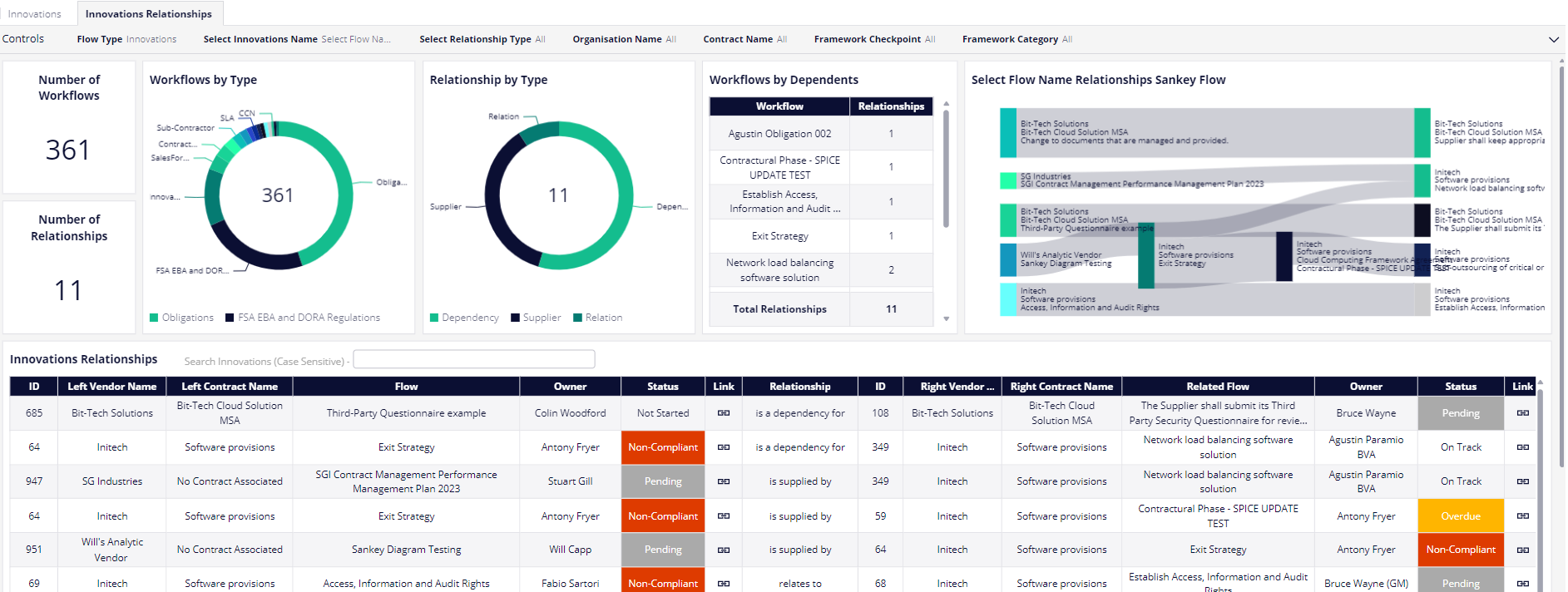
The primary value of CLM software lies in its ability to make contracts visible and manageable over time. By structuring contract data and applying workflow controls, CLM software reduces reliance on manual intervention and informal tracking.
Obligations can be monitored proactively rather than reactively. Amendments can be reviewed and approved through defined processes. Renewals can be evaluated with sufficient notice and context. Collectively, these capabilities reduce risk and improve decision-making.
Importantly, CLM software also provides an auditable record of activity, which is increasingly important in regulated industries and during internal or external reviews.
Automation and AI
Automation is essential for scaling CLM. It ensures contracts progress through reviews and approvals consistently while preventing missed deadlines and renewals.
AI enhances CLM by classifying, analysing, and searching contract repositories, surfacing clauses, identifying patterns, and supporting reporting across thousands of agreements.
Our GenAI Assistant “Ask Brooklyn” eliminates manual work by summarizing any contract element in under a minute, delivering instant insights to identify risks, strengthen negotiations, and accelerate decision-making.
Digitally Fit-For-Audit
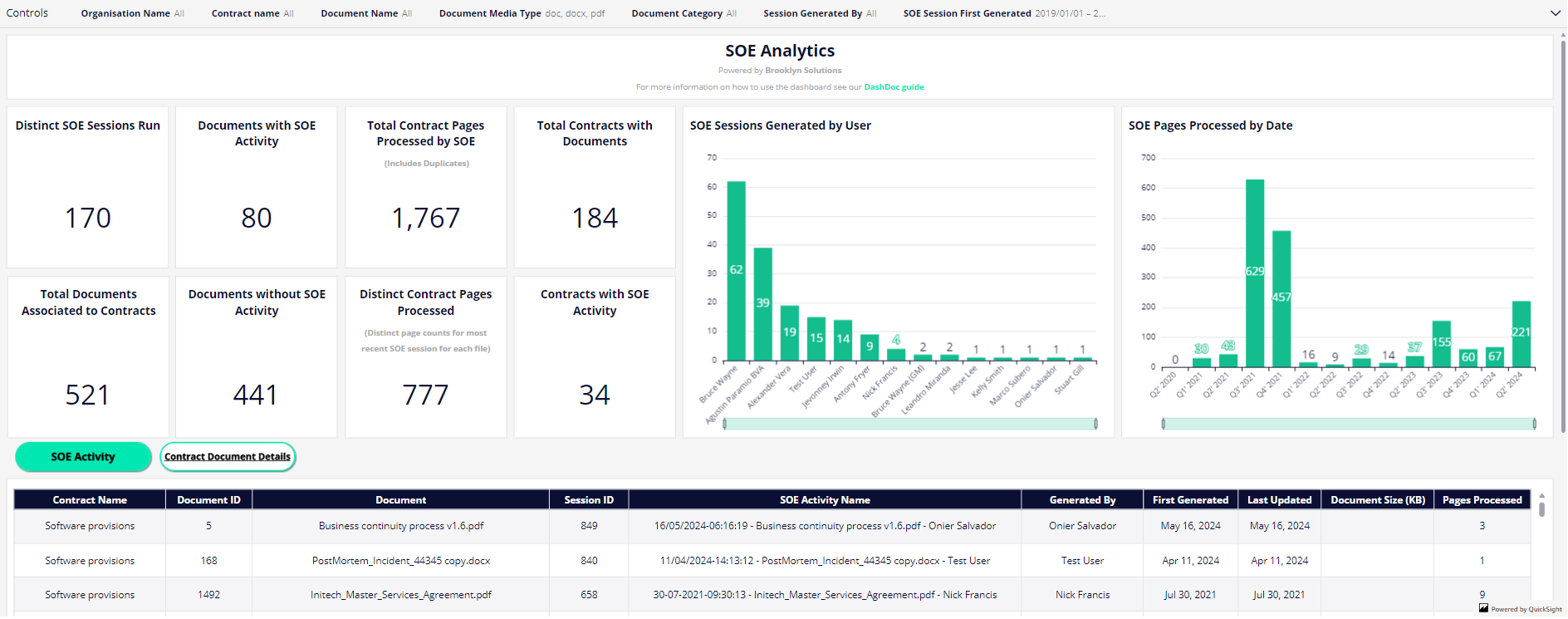
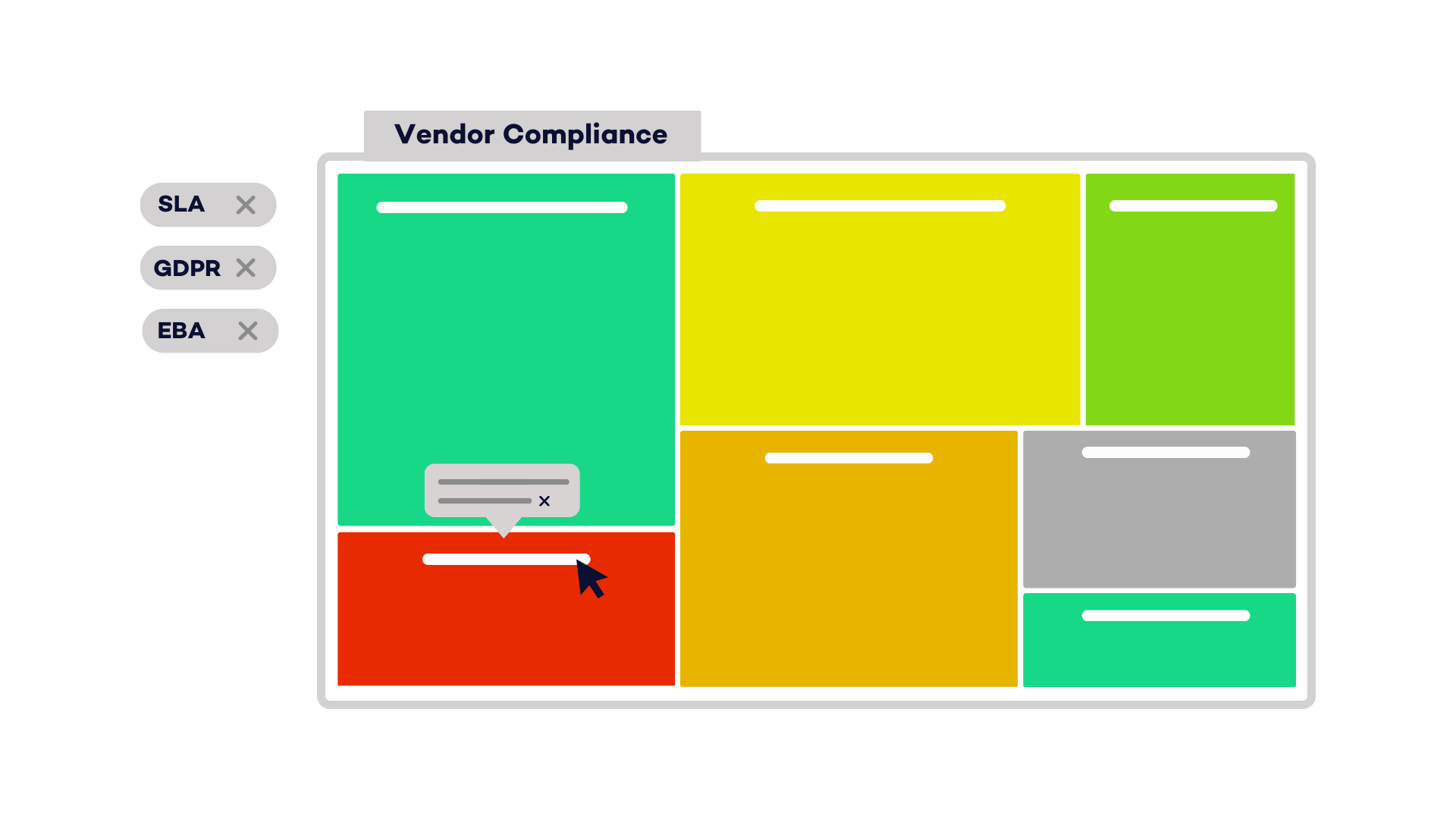
Our contract management feature provides a centralised view for assessing post-award contracts, resolving non-compliance in real-time, and ensuring adherence to company policies and external regulations like GDPR. With automated compliance checks and scoring, it streamlines workflow and ensures your digitally fit-for-audit whilst minimising risk.
Turn static PDFs into actionable contracts with purpose. Use AI to extract obligations and SLAs directly from the contract, enabling you to standardise the contractual process to discover, operationalise and track obligations.
Reduce risk by ensuring 100% compliance with contractual obligations, leveraging insight for better contract management, through contract negotiations, reviews and renewals.
When CLM Becomes Essential
CLM typically becomes essential when contract volumes reach a point where manual tracking is no longer reliable, or when regulatory and audit requirements increase. At this stage, the cost of unmanaged risk and inefficiency outweighs the effort required to implement structured contract management.
For many organisations, CLM is not a matter of optimisation, but of maintaining control as complexity grows.